
By Dietitian Arti Jain, Founder – Diet4Health | 20+ Years of Experience in Diet & Nutrition
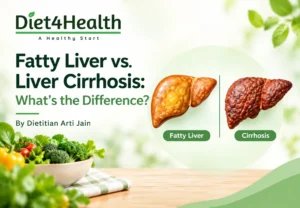
Fatty Liver Disease is becoming one of the most common lifestyle-related health conditions today, especially among urban populations. Despite its growing prevalence, many people remain unaware of its early signs until it progresses to a more serious stage. Understanding this condition at the right time can help prevent long-term complications and even reverse it naturally with the right approach.
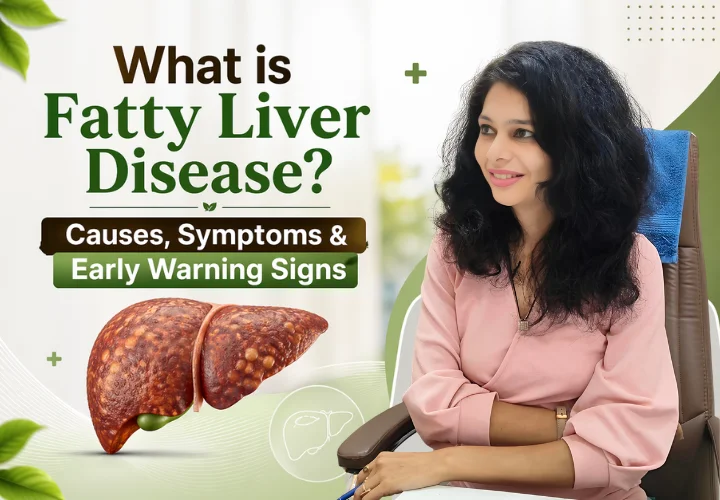
What is Fatty Liver Disease?
Fatty liver disease develops when too much fat builds up within the liver cells.. While a small amount of fat in the liver is normal, when fat accounts for more than 5–10% of the liver’s weight, it is considered a medical concern. Broadly, it is classified into two types:
- Non-Alcoholic Fatty Liver Disease (NAFLD) – commonly linked to poor lifestyle, obesity, and metabolic issues
- Alcoholic Fatty Liver Disease – results from excessive or prolonged alcohol intake
In recent years, NAFLD has seen a sharp rise due to sedentary lifestyles, unhealthy eating habits, and increasing stress levels.
Causes of Fatty Liver Disease
Fatty liver is primarily a lifestyle-driven condition. Some of the most common causes include:
- Unhealthy Diet: High intake of processed foods, sugar, refined carbohydrates, and unhealthy fats
- Obesity and Weight Gain: Excess body fat, especially around the abdomen, increases liver fat accumulation
- A sedentary lifestyle, with little to no physical activity, can significantly slow down your metabolism.
- Insulin Resistance & Diabetes: These conditions directly impact fat storage in the liver
- High Cholesterol Levels: Imbalance in lipid profile contributes to fat buildup
- Hormonal Imbalances: Conditions like PCOS can also increase the risk
In many cases, fatty liver develops silently due to a combination of these factors rather than a single cause.

Symptoms You Should Not Ignore
One of the biggest challenges with fatty liver disease is that it often shows no obvious symptoms in the early stages. However, as the condition progresses, some subtle signs may appear:
- Persistent fatigue or low energy levels
- A feeling of discomfort or slight pain in the upper right side of the abdomen.
- Unexplained weight gain or difficulty losing weight
- Bloating and digestive issues
- Loss of appetite
Because these symptoms are often mild and nonspecific, they are frequently ignored or mistaken for general health issues.
Early Warning Signs of Fatty Liver
Identifying fatty liver early can make a significant difference in recovery. Some early warning indicators include:
- Elevated Liver Enzymes (SGPT/SGOT) in blood reports
- Fatigue without clear reason despite adequate rest
- Increased belly fat even without major dietary changes
- Mild insulin resistance or prediabetes
- Frequent acidity or heaviness after meals
Regular health check-ups and timely screening play a crucial role in detecting fatty liver before it progresses.
Why Early Action Matters
If left untreated, fatty liver can progress to more serious conditions such as inflammation (steatohepatitis), fibrosis, or even liver cirrhosis. The good news is that fatty liver is reversible in its early stages with the right lifestyle and dietary changes.
Expert Advice from Dietitian Arti Jain
With over 20 years of experience in clinical nutrition, Dietitian Arti Jain emphasizes that fatty liver is not just a liver problem—it is a reflection of overall metabolic health.
“The right diet, regular physical activity, and personalized nutrition guidance can significantly improve liver health. Early intervention is the key to reversing fatty liver naturally without dependency on medication.”
Fatty Liver Disease may be silent, but its impact can be serious if ignored. The increasing number of cases today highlights the need for awareness, prevention, and timely action. By understanding the causes, recognizing early warning signs, and making sustainable lifestyle changes, you can protect your liver and overall health.
If you experience any symptoms or have abnormal liver reports, it’s always advisable to consult a qualified nutrition expert and begin your health journey at the earliest.
Your liver works silently every day—take a step today to support it for a healthier tomorrow.