
By Dietitian Arti Jain, 20 Years of Experience in Chronic Clinical Nutrition
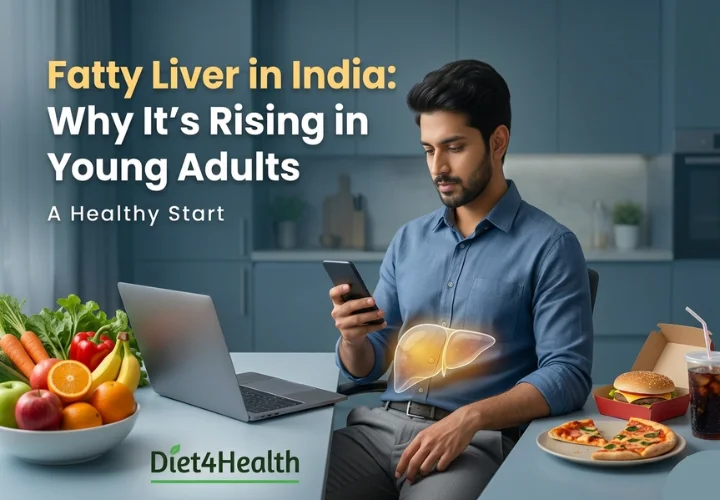
Fatty liver disease, once considered a condition of middle-aged individuals or those with long-term alcohol use, is now increasingly being diagnosed in young adults across India. In my two decades of clinical practice, I have witnessed a sharp shift—patients in their 20s and early 30s presenting with early signs of liver fat accumulation, often without any obvious symptoms. This growing trend is not only concerning but also a reflection of deeper lifestyle and metabolic challenges affecting today’s generation.
A Silent Yet Widespread Problem
Fatty liver, medically known as Nonalcoholic Fatty Liver Disease, occurs when excess fat accumulates in liver cells in individuals who consume little or no alcohol. What makes this condition particularly dangerous is its silent nature. Many young adults discover it incidentally during routine health check-ups.
Recent data suggests that nearly one in three Indians may have fatty liver, with prevalence rates reaching as high as 38% in adults. Even more concerning is that around 27% of young Indian adults are already affected, highlighting how early this condition is now developing.

Why Are Young Adults at Higher Risk?
The rise of fatty liver among Indian youth is multifactorial, driven by rapid urbanization, dietary shifts, and metabolic vulnerabilities.
1. Sedentary Lifestyle
Modern work culture—especially desk jobs, long screen hours, and minimal physical activity—has significantly reduced daily energy expenditure. Studies and clinical observations show a clear link between physical inactivity and increased liver fat.
2. Unhealthy Dietary Patterns
Traditional home-cooked meals are increasingly being replaced with processed foods, refined carbohydrates, and sugar-rich beverages. Diets high in white flour (maida), fried foods, and sugary snacks contribute to fat accumulation in the liver.
3. The “Thin-Fat” Indian Phenotype
One unique factor in India is the so-called “thin-fat” body type—individuals who appear lean but have high visceral fat. This makes them metabolically vulnerable despite having a normal body weight. Even individuals with a normal BMI can develop fatty liver, a condition often termed “lean NAFLD.”
4. Rising Metabolic Disorders
There is a strong association between fatty liver and conditions like insulin resistance, obesity, and Type 2 Diabetes. India has seen a sharp increase in these metabolic disorders, which directly contribute to liver fat accumulation.
5. Stress and Poor Sleep
Chronic stress, irregular sleep cycles, and late-night eating habits disrupt hormonal balance and metabolism. These factors, often overlooked, play a significant role in worsening liver health.
Why This Trend Is Alarming
Fatty liver is not just a liver condition—it is a metabolic warning sign. If left untreated, it can progress to inflammation, fibrosis, and even cirrhosis. More importantly, it increases the risk of diabetes, heart disease, and other chronic conditions.
What makes the current situation particularly alarming is the early age of onset. When fatty liver develops in the 20s, it allows more time for disease progression, increasing long-term health risks.
Can It Be Reversed?
The encouraging news is that fatty liver, especially in its early stages, is largely reversible with timely intervention. As a clinical nutritionist, I emphasize that lifestyle modification is the cornerstone of treatment.
- Balanced Nutrition: 70-80% contribution for recovery
- Regular Physical Activity: 10-20% contribution for recovery
- Weight Management: Even a 5–10% reduction in body weight can significantly reduce liver fat
- Limit Sugar & Processed Foods: Avoid sugary drinks, refined carbs, and trans fats
- Routine Monitoring: Regular liver function tests and health screenings
Final Thoughts
The rise of fatty liver in young Indians is a wake-up call. It reflects not just individual choices but also broader lifestyle transitions in our society. Awareness, early screening, and preventive nutrition can make a significant difference.
As I often tell my patients—your liver is resilient, but not invincible. The choices you make in your 20s will define your health in your 40s and beyond.