
By Dietitian Arti Jain | Chronic Disease Diet Expert | Weight Loss Expert | 20 Years of Experience
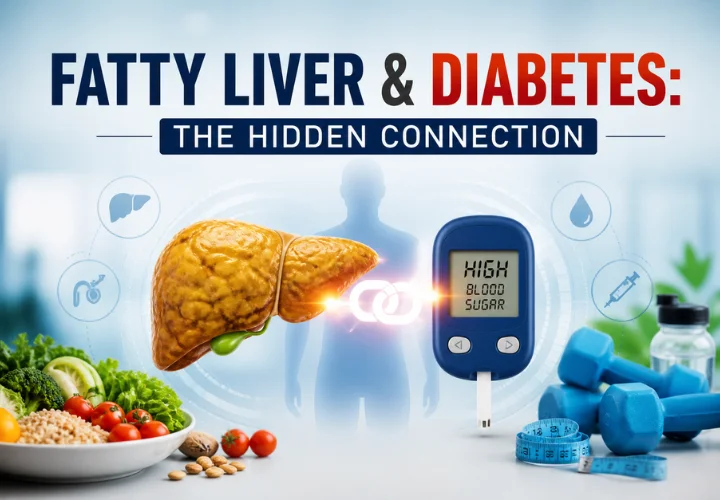
Fatty liver disease is no longer a condition we can ignore or treat as “just a small problem.” Today, it is increasingly understood as a metabolic condition, and many medical groups now use the term MASLD for metabolic dysfunction-associated steatotic liver disease, which is the newer name for what many people still call fatty liver disease or NAFLD. The important thing to understand is this: fatty liver and diabetes are deeply connected, and each condition can make the other worse.
This connection is one of the reasons fatty liver is often called a “hidden” disease. Many people do not feel anything in the early stages, so they continue living normally while fat quietly builds up in the liver. According to NIDDK, fatty liver is usually a silent disease with few or no symptoms, and people with type 2 diabetes are much more likely to have it.
Why diabetes and fatty liver are linked
The relationship between diabetes and fatty liver works in both directions. People with type 2 diabetes have a much higher chance of developing fatty liver, and fatty liver can also worsen blood sugar control. NIDDK notes that about one-third to two-thirds of people with type 2 diabetes have NAFLD, while CDC also explains that liver fat and liver damage can raise blood sugar and that the two conditions share many of the same risk factors, such as overweight, high blood pressure, and high cholesterol.
This happens largely because of insulin resistance. When the body stops responding properly to insulin, sugar stays higher in the blood, and more fat is stored in the liver. At the same time, the liver begins to function less efficiently, making it harder to keep blood glucose stable. Over time, this can create a cycle in which diabetes and fatty liver keep feeding each other.
Why many people miss the early warning signs
One of the biggest problems with fatty liver is that it usually does not announce itself early. A person may feel tired, mildly unwell, or have vague discomfort in the upper right side of the abdomen, but many people notice nothing at all. That is why fatty liver is often found only when routine blood tests or scans are done for another reason.
In people with diabetes, this silence can be dangerous. Someone may think their sugar is the only issue, while liver damage is already starting in the background. NIDDK notes that fatty liver can progress from simple fat buildup to inflammation and damage, and in some cases it can lead to fibrosis, cirrhosis, and even liver cancer.

Why screening matters in diabetes
Because the connection is so strong, screening is important. The American Diabetes Association has specifically emphasized screening and management of fatty liver disease in people with diabetes, and ADA has also highlighted updated guidance for detecting and treating fatty liver in diabetes care settings. NIDDK also explains that a doctor may check for enlarged liver, signs of insulin resistance, and signs of cirrhosis during evaluation.
In real life, this means that a person with diabetes should not wait for severe symptoms before getting checked. Liver enzymes, ultrasound, and fibrosis risk assessment can help identify the condition earlier, before major damage occurs. Early action gives the best chance to prevent progression.
The good news: lifestyle changes can help both conditions
The encouraging part is that fatty liver and diabetes often improve together when the right lifestyle changes are made. NIDDK recommends gradual weight loss, healthy eating, and regular physical activity for fatty liver treatment. These same steps are also central to better blood sugar control.
From a dietitian’s perspective, this is where the biggest difference happens. Instead of chasing crash diets or “detox” plans, the focus should be on sustainable habits: controlled portions, more fiber-rich foods, enough protein, fewer sugary drinks, and fewer ultra-processed foods. The goal is not to punish the body; the goal is to reduce liver fat, improve insulin sensitivity, and create a plan the person can actually follow long term. NIDDK specifically supports a healthy diet, portion control, and maintaining a healthy weight for prevention and treatment.
How much weight loss can matter
Even modest weight loss can help the liver. Evidence summarized in the AASLD guidance literature shows that losing about 3% to 5% of body weight may improve liver fat, and larger weight loss can help more advanced disease. That is why realistic, gradual progress is better than extreme dieting, which usually fails and can be hard to maintain.
For many patients, this is the turning point: once they understand that a small, steady reduction in body weight can improve both diabetes and fatty liver, they feel more hopeful and less overwhelmed. This is especially important for people who have tried many diets before and felt discouraged. The right plan is not the strictest one; it is the one that supports liver healing, sugar control, and long-term consistency.
What I tell my clients in practice
As a chronic disease and weight loss diet expert, my approach is simple: treat the liver and blood sugar together, not separately. That means checking meal timing, improving food quality, balancing carbohydrates with protein and fiber, building movement into the routine, and setting goals that fit the person’s real life. Fatty liver is not just a liver issue. It is a metabolic warning sign, and diabetes makes that warning stronger.
The earlier we act, the better the outcome. Many people can improve fatty liver in the early stages, and many can also improve diabetes control at the same time. But the key is not delay. When the body starts showing metabolic stress, the smartest step is to respond with a structured, individualized nutrition and lifestyle plan.
“Fatty liver and diabetes are not separate problems. They are closely linked parts of the same metabolic story. If you have diabetes, fatty liver risk is higher. If you have fatty liver, your blood sugar may be affected too. The hidden connection becomes dangerous only when it is ignored. The hopeful part is that with timely screening, the right diet, consistent exercise, and guided weight management, both conditions can often be improved together.”
Kindly note: This article is for awareness and education. Anyone with diabetes, fatty liver, or abnormal liver tests should speak with a qualified doctor or dietitian for a personalized plan.