

Explained by Dietitian Arti Jain | 20+ Years of Experience in Chronic Disease Management | International Diabetes Educator
Intermittent fasting has become a popular approach for weight management, metabolic health and blood sugar control. But if you have diabetes, fasting is not simply about skipping breakfast or extending the gap between dinner and your next meal.
For people with diabetes, the right fasting approach depends on blood glucose control, medications, lifestyle, age, overall health and individual nutritional needs. What works well for one person may not be appropriate for another.
As a Dietitian with 20+ years of experience in chronic disease management and as an International Diabetes Educator, I believe intermittent fasting should be viewed as a personalized nutrition strategy, not a quick-fix treatment for diabetes.
What Is Intermittent Fasting?
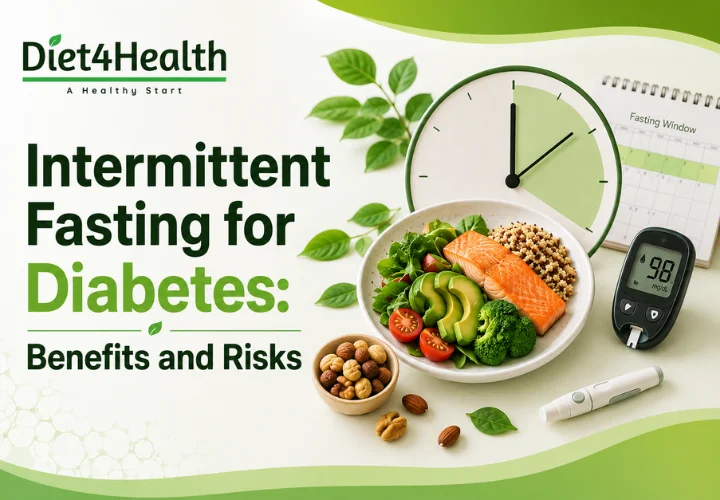
Intermittent fasting involves alternating between a defined eating period and a fasting period. One commonly used approach is time-restricted eating, where meals are consumed within a specific daily window, such as 8–10 hours, followed by a fasting period.
The important point is that intermittent fasting is not only about when you eat. What you eat during the eating window remains extremely important.
Eating highly processed foods, sweets, refined carbohydrates or excessive portions during the eating window can work against your health goals.
Can Intermittent Fasting Benefit People With Diabetes?
Research on intermittent fasting and type 2 diabetes is promising, although longer and larger studies are still needed. Some studies have reported improvements in body weight, insulin resistance, fasting insulin and HbA1c among certain people with type 2 diabetes.

1. May Support Healthy Weight Loss
For many people, a shorter eating window naturally reduces overall food intake. Weight loss can be particularly helpful for people with type 2 diabetes who are overweight or have excess abdominal fat.
2. May Improve Insulin Sensitivity
Reducing excessive calorie intake and improving meal timing may support better insulin sensitivity in some individuals.
3. May Help Improve Blood Glucose Control
Some clinical studies have found reductions in HbA1c and improvements in glucose regulation among people with type 2 diabetes following time-restricted eating. However, individual results can vary significantly.
4. May Simplify Eating Habits
Some people find it easier to follow a structured eating window than continuously counting calories or eating multiple small meals throughout the day.
But remember: simplicity does not automatically mean suitability.
What Are the Risks of Intermittent Fasting With Diabetes?
This is where caution becomes extremely important.
Hypoglycemia – The Biggest Concern
If you take insulin or certain diabetes medications, fasting can increase the risk of low blood glucose (hypoglycemia). Skipping or delaying meals while continuing glucose-lowering medication can cause blood sugar to fall too low.
Symptoms can include:
- Shakiness
- Sweating
- Dizziness
- Weakness
- Hunger
- Confusion
- Difficulty concentrating
Therefore, never change or skip your diabetes medication simply because you have started intermittent fasting. Medication adjustments should be discussed with your doctor or diabetes care team.
Hyperglycemia Can Also Occur
Fasting does not automatically guarantee better blood sugar.
If medication is reduced incorrectly, meals become very large, or carbohydrate intake is poorly managed during the eating window, blood glucose may rise. In some situations, fasting can create additional complications rather than benefits.
Dehydration
Although typical time-restricted eating allows water and other calorie-free beverages during the fasting period, dehydration can still become a concern, particularly in people with poorly controlled blood glucose or those taking medications that increase fluid loss.
Loss of Muscle Mass
Weight reduction should focus on losing excess fat while protecting lean muscle and strength. This becomes particularly important for older adults or people who already have low muscle mass. A diabetes-friendly fasting plan should therefore include adequate protein, resistance exercise and overall nutritional adequacy.
Who Should Be Especially Careful?
Intermittent fasting should not be started casually if you have diabetes and are taking insulin or medications that can cause hypoglycemia.
Extra caution is also needed for people with:
- Frequently fluctuating blood glucose
- Recurrent hypoglycemia
- Poorly controlled diabetes
- Type 1 diabetes
- Pregnancy
- A history of eating disorders
- Frailty or low muscle mass
- Certain kidney, liver or cardiovascular conditions
People with type 1 diabetes have particular fasting-related risks, including hypoglycemia, dehydration and diabetic ketoacidosis, so fasting should only be considered with appropriate medical supervision.
My Approach as a Diabetes Educator
I don’t believe in prescribing intermittent fasting simply because it is trending.
My first questions are:
Is it safe for you?
Is it suitable for your medication schedule?
Can you maintain adequate protein, fibre, micronutrients and hydration?
Can you follow it comfortably without excessive hunger or overeating?
Will it fit your family, work and social routine?
If the answer is yes, a structured eating window may be one possible tool within a comprehensive diabetes management program.
The goal is not simply to fast longer.
The goal is to achieve better blood glucose control, healthier body composition, improved metabolic health and a sustainable lifestyle.
Intermittent Fasting Is a Tool, Not a Diabetes Cure
There is no single diet pattern that works for every person with diabetes.
A sustainable diabetes diet should focus on balanced meals, appropriate portions, quality carbohydrates, adequate protein, vegetables, fibre, healthy fats, regular physical activity, good sleep and consistent monitoring.
Intermittent fasting may be helpful for selected individuals, but it should be personalized rather than blindly followed.
Final Advice From Dietitian Arti Jain
“If you have diabetes, don’t ask only, ‘How long should I fast?’ Ask, ‘Is fasting safe and suitable for my body, medication and lifestyle?’”
With the right assessment and professional guidance, nutrition can become an important part of long-term diabetes management.
Diet4Health provides personalized Clinical Diet & Lifestyle Management Programs designed around individual health conditions, nutritional requirements and lifestyle needs.
Disclaimer: This article is for educational purposes only and does not replace individualized medical or nutritional advice. People with diabetes should consult their doctor/diabetes care team before starting intermittent fasting, particularly if they use insulin or other glucose-lowering medicines.