
By Dietitian Arti Jain, Clinical Nutritionist | Chronic Disease & Weight Loss Expert | 20+ Years of Experience
Fatty liver disease has become one of the most common lifestyle-related health conditions worldwide. Many people are surprised to learn that they may have fatty liver even if they do not consume alcohol. In fact, a growing number of individuals are being diagnosed with Non-Alcoholic Fatty Liver Disease (NAFLD), now increasingly referred to as Metabolic Dysfunction-Associated Steatotic Liver Disease (MASLD).
The good news is that fatty liver can often be reversed, especially in its early stages. Among all available treatment options, scientific evidence consistently shows that weight loss is the most effective treatment for fatty liver. While medications may be prescribed in certain situations, sustainable weight reduction through proper nutrition and lifestyle modifications remains the foundation of successful fatty liver recovery.
Understanding Fatty Liver Disease
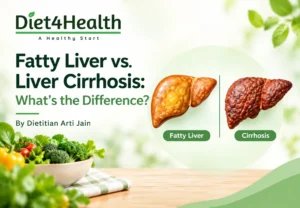
Fatty liver occurs when excess fat accumulates inside liver cells. Over time, this fat buildup can cause inflammation, liver damage, fibrosis, and in severe cases, cirrhosis. The condition is commonly associated with:
- Excess body weight
- Abdominal obesity
- Insulin resistance
- Type 2 diabetes
- High cholesterol and triglycerides
- Sedentary lifestyle
- Poor dietary habits
Many individuals with fatty liver experience no symptoms during the early stages. However, some may notice fatigue, low energy levels, digestive discomfort, or unexplained weight gain.

Why Weight Loss Matters So Much
The liver plays a central role in metabolism. When excess calories are consumed over time, especially from processed foods, sugary beverages, and refined carbohydrates, the liver begins storing fat.
Weight loss directly targets the root cause of fatty liver by reducing this accumulated fat. Research has repeatedly demonstrated that even modest weight reduction can significantly improve liver health.
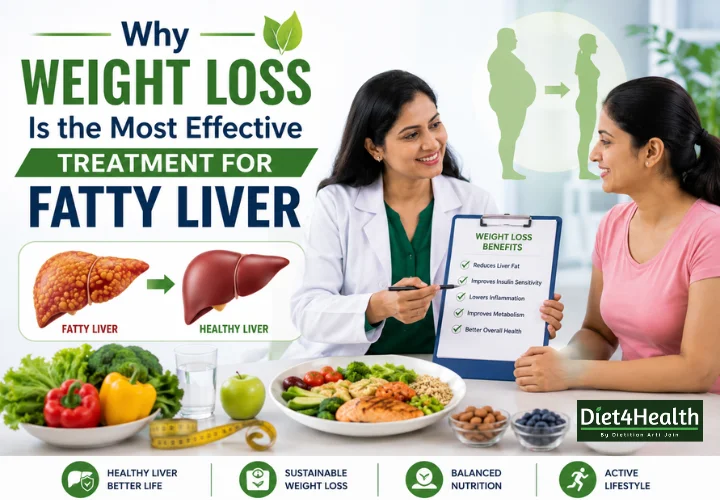
Benefits of Weight Loss for Fatty Liver
1. Reduces Liver Fat
When a person loses weight gradually and sustainably, the body starts utilizing stored fat as energy. This process helps reduce fat deposits within the liver, improving its function and reducing disease progression.
2. Improves Insulin Sensitivity
Insulin resistance plays a crucial role in the development of fatty liver disease. Weight loss improves the body’s response to insulin, helping regulate blood sugar levels and reducing further fat accumulation in the liver.
3. Reduces Liver Inflammation
Excess fat within the liver can trigger chronic inflammation. Losing weight helps lower inflammatory markers and supports the liver’s natural healing processes.
4. Prevents Disease Progression
Untreated fatty liver can progress to liver fibrosis, cirrhosis, and liver failure. Achieving a healthy weight can slow, stop, and in many cases reverse disease progression.
5. Improves Overall Metabolic Health
Weight loss not only benefits the liver but also improves cholesterol levels, blood pressure, diabetes management, energy levels, and overall quality of life.
How Much Weight Loss Is Required?
One of the most encouraging aspects of fatty liver management is that dramatic weight loss is not always necessary.
Studies suggest:
- Research shows that shedding approximately 5% of body weight can significantly improve fatty liver by lowering fat deposits in the liver.
- A 7–10% reduction can improve inflammation and liver function.
- Greater weight loss may help reverse more advanced liver damage.
The key is achieving weight loss safely through personalized nutrition rather than crash diets or extreme restrictions.
Why Diet Alone Is Not Enough
Many people try random diets found online and become frustrated when they fail to achieve lasting results. Fatty liver is a metabolic condition that requires a structured and personalized approach.
Successful recovery typically involves:
- Clinical nutrition assessment
- Customized meal planning
- Portion control strategies
- Metabolic health management
- Physical activity guidance
- Regular monitoring and follow-up
This is why professional guidance from an experienced clinical nutritionist can make a significant difference.
Foods That Support Fatty Liver Recovery
A fatty liver-friendly diet generally includes:
- Fresh vegetables and salads
- Whole grains in appropriate portions
- Lean protein sources
- Nuts and seeds
- Healthy fats
- Seasonal fruits
- Adequate hydration
Foods commonly limited include:
- Sugary beverages
- Refined flour products
- Processed foods
- Excess fried foods
- Excessive added sugars
However, every individual has unique nutritional requirements based on their medical history, body composition, metabolic profile, and lifestyle. Therefore, personalized planning is essential.
The Role of Professional Nutrition Guidance
After working with thousands of clients over the past 20 years, I have observed that the most successful fatty liver recovery journeys occur when weight loss is approached scientifically rather than emotionally.
At Diet4Health, our focus is not simply on reducing weight but on improving metabolic health and supporting long-term liver recovery. Through our Best Online Fatty Liver Program, clients receive personalized nutrition guidance designed to address the underlying causes of fatty liver while promoting sustainable weight management.
As a Fatty Liver Recovery Expert from Nutrition, I believe that every individual deserves a plan tailored to their specific health condition rather than a generic diet chart.
Final Thoughts
Fatty liver disease is often reversible, especially when detected early. Among all available treatment approaches, weight loss remains the most effective and scientifically supported strategy for reducing liver fat, improving liver function, and preventing disease progression.
The journey to recovery does not require starvation diets or quick fixes. It requires the right nutrition strategy, professional guidance, consistency, and lifestyle improvements.
If you are struggling with fatty liver, obesity, insulin resistance, diabetes, or metabolic health concerns, seeking expert guidance can help you achieve sustainable results safely and effectively.
Dietitian Arti Jain, recognized by many clients as one of the Best Dietitians in India, brings over 20 years of clinical experience in chronic disease management, weight loss, and nutrition-based fatty liver recovery. With the right approach, your liver can heal, your metabolism can improve, and your overall health can be transformed.