
By Dietitian Arti Jain
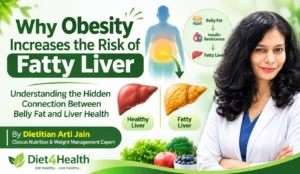
Obesity is not just about gaining excess body weight or increasing waist size. It can silently affect several internal organs, including the liver. One of the most common health concerns associated with excess body fat is Fatty Liver Disease.
Many people believe fatty liver develops only in individuals who consume alcohol. However, this is a misconception. Fatty liver can also develop in people who do not consume alcohol, particularly those dealing with obesity, insulin resistance, type 2 diabetes and metabolic health problems.
But why does obesity increase the risk of fatty liver? Let’s understand the connection.
1. How Does Obesity Lead to Fat Accumulation in the Liver?
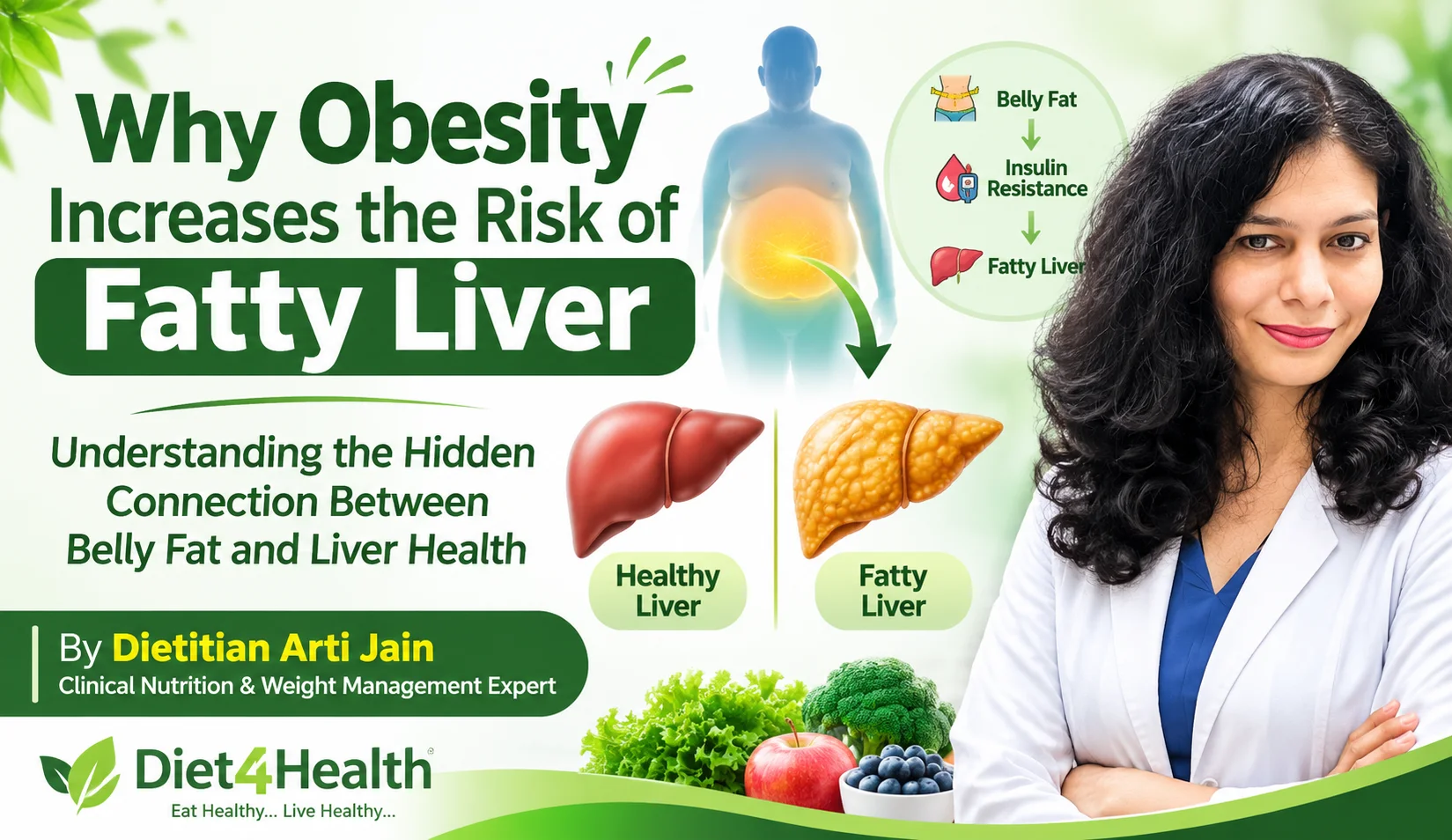
The liver plays an important role in processing fats, carbohydrates and nutrients. When the body stores excessive fat, particularly around the abdominal area, the amount of fatty acids circulating in the bloodstream can increase.
These fatty acids reach the liver, where they may accumulate as excess fat. When fat accumulation becomes significant, it can lead to fatty liver disease.
This condition is now commonly referred to as Metabolic Dysfunction-Associated Steatotic Liver Disease (MASLD), previously known as NAFLD.
2. The Link Between Belly Fat and Fatty Liver
Different types of body fat can affect metabolic health in different ways. Visceral fat, which accumulates deep inside the abdomen around internal organs, is particularly important.
Excess visceral fat can:
- Increase the release of fatty acids into the bloodstream.
- Promote insulin resistance.
- Trigger chronic low-grade inflammation.
- Increase metabolic stress on the liver.
This is why people with increased waist circumference may have a higher risk of developing fatty liver, even when their overall weight does not appear extremely high.

3. Insulin Resistance: Another Major Reason
Insulin resistance is one of the important metabolic factors associated with fatty liver.
Insulin resistance plays an important role in fatty liver development. When the body becomes less sensitive to insulin, changes in glucose and fat metabolism can promote excess fat production and accumulation in the liver.
People with abdominal obesity, prediabetes, type 2 diabetes and metabolic syndrome should pay particular attention to their liver health.
4. Can Fatty Liver Develop Without Obesity?
Yes! Although obesity is a significant risk factor, fatty liver can also occur in individuals with normal body weight.
Factors such as genetics, insulin resistance, unhealthy dietary patterns, high triglycerides and metabolic disturbances may contribute to fat accumulation in the liver.
Therefore, maintaining an ideal body weight does not completely eliminate the risk of fatty liver.
5. How Can Weight Management Help Improve Fatty Liver?
The good news is that lifestyle modifications and appropriate weight management can significantly improve metabolic health and liver fat accumulation.
Here are some important dietary and lifestyle practices:
1. Focus on Balanced Indian Meals: Include vegetables, pulses, whole grains, salads and appropriate portions of protein in daily meals.
2. Reduce Added Sugar: Limit sugary beverages, packaged juices, sweets and foods containing excessive added sugar.
3. Manage Portion Sizes: Avoid overeating and maintain balanced meal portions according to your nutritional requirements.
4. Include Regular Physical Activity: Walking, strength training and other suitable exercises can improve insulin sensitivity and metabolic health.
5. Aim for Gradual Weight Loss: For people with overweight or obesity, gradual and sustained weight reduction can help reduce liver fat. Even a 5–10% reduction in body weight can provide meaningful benefits, with greater weight loss often producing additional improvement.
6. Avoid Crash Dieting: Extreme calorie restriction and unsustainable diets are not the right approach to long-term liver health.
6. Why Does Fatty Liver Require a Personalized Nutrition Approach?
Every individual has different nutritional requirements, medical history, lifestyle habits and metabolic conditions.
A person with Grade 1 fatty liver may have different nutritional requirements from someone with Grade 3 fatty liver, diabetes, high cholesterol or significant obesity.
A condition-specific diet plan should consider body composition, medical reports, blood sugar levels, lipid profile, dietary preferences and individual health goals.
At Diet4Health, Dietitian Arti Jain focuses on personalized, date-wise Indian meal planning, sustainable weight management and nutritional guidance based on individual health requirements.
The real goal goes beyond weight reduction—it is to restore metabolic balance, support liver function and build healthier lifestyle habits that last.
Excess body fat, particularly around the abdomen, can disrupt metabolic balance and increase the likelihood of fat accumulation in the liver. Ignoring these warning signs may increase the risk of further liver complications in some individuals.
The right time to focus on liver health is before complications develop. A balanced diet, regular physical activity and sustainable weight management can make a meaningful difference.
Take the first step towards better liver health with personalized nutritional guidance from Dietitian Arti Jain at Diet4Health.
Website: www.diet4health.in
WhatsApp: 9702070155
Medical Disclaimer: This article is for educational purposes only and does not replace professional medical advice, diagnosis or treatment. Individuals with fatty liver should consult their healthcare provider for appropriate evaluation and management.