
Fatty liver is becoming increasingly common, even among people who do not drink alcohol, are not overweight, or consider themselves reasonably healthy. Long working hours, irregular eating habits, excessive refined carbohydrates, sedentary lifestyles and metabolic health problems can all contribute to fat accumulation in the liver.
One of the most common questions people ask is: Can fatty liver really be reversed naturally without medicines, supplements or complicated diets?
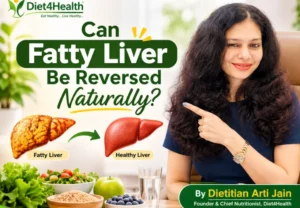
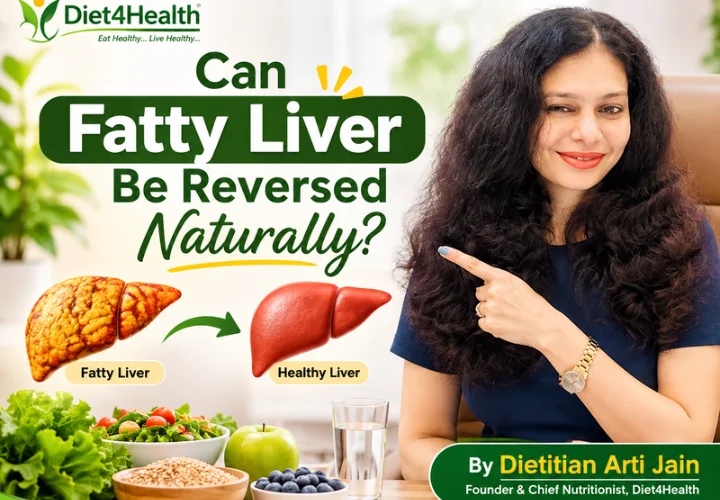
The encouraging answer is yes. In many people, particularly those with early-stage fatty liver, lifestyle modifications and appropriate nutritional management can significantly reduce liver fat and improve liver health as well as in advance stage step by step improvement is observed.
However, reversing fatty liver is not about following a temporary detox, drinking a particular juice or starving yourself. It requires a consistent, sustainable approach that addresses the underlying reasons for fat accumulation.
As a clinical nutritionist, I believe that understanding your body, choosing the right foods and making realistic lifestyle changes are the foundations of better liver health.
Let’s understand how you can begin.
1. What Exactly Happens in Fatty Liver?
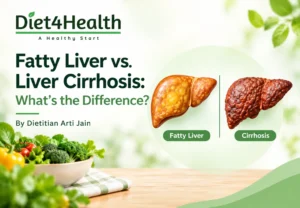
Your liver naturally contains a small amount of fat, but when this fat increases beyond healthy levels, it may lead to fatty liver. The medical terminology has evolved, and metabolic dysfunction-associated steatotic liver disease (MASLD) is now commonly used for fatty liver associated with metabolic risk factors.
The condition may progress through different stages:
- Grade 1: The initial stage, characterized by a mild buildup of fat within liver cells.
- Grade 2: Moderate fat accumulation.
- Grade 3: Severe fat accumulation.
It is important to understand that ultrasound grades describe the degree of visible fat accumulation. They do not independently establish whether liver inflammation or fibrosis (scarring) is present.
Fatty liver can remain silent for years. Many people discover it during a routine ultrasound or health check-up.
The good news is that early intervention can make a meaningful difference.
2. Can Fatty Liver Be Reversed Naturally?
Yes, fatty liver can often improve significantly through lifestyle changes, especially when diagnosed at an early stage.
The liver has an impressive capacity to recover when the factors contributing to fat accumulation are addressed.
Some of the most important lifestyle interventions include:
- Improving overall dietary quality.
- Managing body weight where appropriate.
- Reducing excess sugar and refined carbohydrates.
- Increasing regular physical activity.
- Improving sleep quality.
- Managing diabetes, cholesterol and triglyceride levels.
However, people with advanced fibrosis or cirrhosis need medical supervision. Lifestyle changes remain important, but established liver scarring may not completely reverse.
Remember: Natural management does not mean avoiding medical care. Regular monitoring and appropriate medical evaluation are essential.
3. Choose Foods That Support Liver Health
Your daily food choices play an important role in managing fatty liver. Instead of searching for one magical food, focus on creating a balanced eating pattern.
Here are some practical Indian food should be
Limit or reduce:
- Sugary beverages and packaged fruit juices.
- Sweets, bakery products and desserts.
- Excessive refined flour preparations.
- Deep-fried snacks and frequent fast food.
- Excessive portions of white rice and other refined carbohydrates.
- Processed foods high in added sugar and unhealthy fats.
You do not need to eliminate traditional Indian meals. Even everyday foods such as roti, dal, sabzi, curd and rice can be included in a well-planned diet with suitable portions.
The objective is to improve nutritional balance, not develop a fear of food.
4. Weight Management: One of the Most Important Steps
Excess body fat, particularly around the abdomen, is associated with insulin resistance and increased fat accumulation in the liver.
For individuals who are overweight or obese, gradual and sustained weight reduction can significantly improve liver health.
According to the 2024 European clinical practice guidelines:
- Losing at least 5% of body weight can help reduce liver fat.
- A 7–10% reduction may improve liver inflammation.
- A reduction of 10% or more may help improve liver fibrosis.
These are treatment targets for appropriate individuals, not universal weight-loss requirements.
What if you are already lean?
Being slim does not automatically mean your liver is healthy. Fatty liver can also occur in people with normal body weight, particularly when they have insulin resistance, excess abdominal fat or metabolic abnormalities.
In such cases, the focus should be on improving body composition, muscle strength, food quality and metabolic health rather than unnecessarily reducing body weight.

5. Exercise Regularly, Even Without a Gym
Physical activity is not just about burning calories. It also improves insulin sensitivity, supports metabolic health and helps reduce liver fat.
You do not need an expensive gym membership to begin.
Try incorporating these activities into your routine:
- Brisk walking for 30 minutes daily.
- Cycling or swimming according to your fitness level.
- Strength training 2–3 times per week.
- Yoga and stretching for flexibility.
- Taking short walking breaks during prolonged sitting.
Aim for at least 150 minutes of moderate-intensity physical activity every week, gradually increasing according to your fitness and medical condition.
Consistency matters more than occasional intense workouts.
6. Stop Depending on Liver Detox Drinks and Quick Fixes
One of the biggest misconceptions about fatty liver is that drinking detox water, lemon water, herbal teas or special juices can clean the liver.
Your liver already performs its own natural detoxification functions. There is no scientifically established detox drink that removes accumulated liver fat.
Be careful with:
- Unverified liver detox supplements.
- Herbal powders and concentrated extracts.
- Extreme juice-only diets.
- Unsupervised ketogenic diets.
- Excessive fasting and crash dieting.
Some herbal and dietary supplements can even cause liver injury.
Instead of spending money on quick fixes, invest in balanced meals, regular exercise and professional nutritional guidance.
7. Improve Sleep and Manage Daily Stress
Sleep and stress management are often overlooked when discussing fatty liver.
Poor sleep, irregular routines and chronic stress can influence appetite, eating behavior, physical activity and metabolic health.
A few simple habits can help:
- Maintain a consistent sleep schedule.
- Aim for approximately 7–9 hours of sleep.
- Avoid heavy meals immediately before bedtime.
- Reduce prolonged screen exposure at night.
- Practice breathing exercises, meditation or yoga.
If you experience persistent snoring, daytime sleepiness or disturbed sleep, discuss the possibility of sleep apnea with your doctor, particularly if you have metabolic risk factors.
8. Do Not Ignore Medical Monitoring
Natural lifestyle management should always go hand in hand with appropriate medical evaluation.
A comprehensive liver health assessment may involve the following investigations to evaluate liver function, metabolic health and potential signs of liver damage:
- Liver function tests (LFT).
- Fasting blood glucose and HbA1c.
- Lipid profile.
- Ultrasound abdomen.
- Fibrosis assessment using FIB-4 or transient elastography (Fibro Scan), where appropriate.
An important point: normal liver enzyme levels do not always rule out significant liver disease. Similarly, an ultrasound showing improvement does not necessarily establish that fibrosis has resolved.
People with Grade 2 or Grade 3 fatty liver, diabetes, persistent abnormal liver enzymes or suspected fibrosis should not delay specialist evaluation.
Seek prompt medical attention if you develop yellowing of the eyes, abdominal swelling, vomiting blood, black stools or confusion.
9. Why an Individualized Fatty Liver Diet Plan Matters
Every person with fatty liver has a different nutritional and medical background.
One individual may have fatty liver along with diabetes, another may have high cholesterol, while someone else may have Grade 3 fatty liver despite having a normal body weight.
Following the same generic diet chart for everyone may not address these differences.
At Diet4Health, our nutritional approach focuses on understanding the individual’s medical reports, food preferences, daily routine, body composition and metabolic health before planning dietary interventions.
A condition-specific nutrition programme can help individuals work towards:
- Better dietary discipline and sustainable eating habits.
- Improved weight and waist management, where needed.
- Better blood sugar and lipid management.
- Appropriate protein and fiber intake.
- Consistent progress monitoring and nutritional adjustments.
The goal is not simply to reduce the fatty liver grade on an ultrasound report. It is to improve overall metabolic health and support long-term liver function.
Final Words from Me
Fatty liver should not be treated as just another abnormal finding in an ultrasound report. It is an important indication that your body may need attention, particularly regarding nutrition, physical activity and metabolic health.
The encouraging part is that you can take meaningful steps towards improving your liver health through everyday food choices and sustainable lifestyle changes.
Do not wait until fatty liver progresses to make changes. Do not depend on detox drinks or crash diets. And do not assume that being slim means you cannot develop fatty liver.
Your liver does not need a temporary detox. It needs consistent nutritional care and healthy lifestyle habits.
At Diet4Health, we believe in a personalized, practical and sustainable approach to clinical nutrition. With the right guidance, regular medical monitoring and consistent efforts, better liver health can become an achievable goal.
Take care of your liver today. Your future health depends on the choices you make every day.
— Dietitian Arti Jain
Founder & Chief Nutritionist, Diet4Health
20+ Years of Experience in Clinical Nutrition
For personalized nutritional guidance, visit www.diet4health.in or WhatsApp 9702070155.