
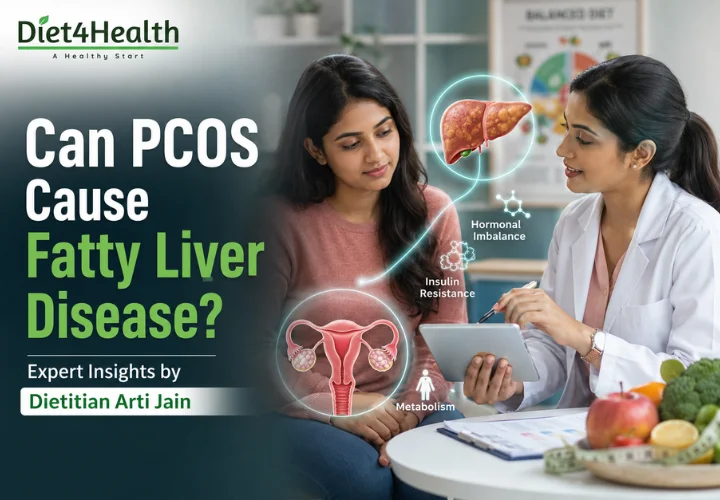
Expert Insights by Dietitian Arti Jain – Hormonal Health & PCOS Specialist with 20+ Years of Experience
Polycystic Ovary Syndrome (PCOS) is a widespread hormonal and metabolic condition that affects millions of women during their reproductive years. While most women associate PCOS with irregular periods, weight gain, acne, and fertility challenges, many are unaware that PCOS can also increase the risk of developing Fatty Liver Disease.
If you have been diagnosed with PCOS and are struggling with weight management, insulin resistance, or elevated liver enzymes, understanding the connection between PCOS and fatty liver disease is essential for protecting your long-term health.
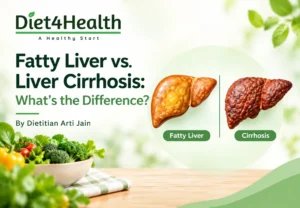
What is Fatty Liver Disease?
Fatty Liver Disease occurs as a result of excess fat deposits accumulating in the liver over time. When this condition develops in people who consume little or no alcohol, it is known as Non-Alcoholic Fatty Liver Disease (NAFLD).
Early fatty liver disease may progress unnoticed, as many individuals experience no visible signs or discomfort However, if left untreated, it can progress to liver inflammation, scarring (fibrosis), and even serious liver complications over time.
Common symptoms may include:
Persistent fatigue
Abdominal discomfort
Unexplained weight gain
Difficulty losing weight
Elevated liver enzymes in blood tests
Poor metabolic health
The Hidden Link Between PCOS and Fatty Liver Disease
Research has consistently shown that women with PCOS are more likely to develop fatty liver disease compared to women without PCOS.
The primary reason behind this connection is insulin resistance, a condition commonly seen in PCOS.
When the body develops insulin resistance, the pancreas increases insulin production to overcome the reduced effectiveness of the hormone.. Elevated insulin levels encourage the body to store excess fat, particularly around the abdomen and internal organs, including the liver.
As a result, fat begins accumulating in liver cells, increasing the risk of fatty liver disease.
Why Women with PCOS Are at Higher Risk
Several factors associated with PCOS contribute to fatty liver development:
1. Insulin Resistance
Approximately 70–80% of women with PCOS experience some degree of insulin resistance. High insulin levels stimulate fat storage and increase liver fat accumulation.
2. Excess Body Weight
Many women with PCOS struggle with weight gain, especially around the abdominal area. Visceral fat releases inflammatory compounds that negatively impact liver health.
3. Hormonal Imbalances
Elevated androgen levels (male hormones) commonly seen in PCOS can worsen metabolic dysfunction and contribute to fatty liver progression.
4. Chronic Inflammation
PCOS is often associated with low-grade chronic inflammation, which may increase liver stress and damage over time.
5. High Triglyceride Levels
Women with PCOS frequently experience abnormal cholesterol and triglyceride levels, increasing the likelihood of fat accumulation in the liver.
Signs You Should Get Evaluated
Many women with PCOS have fatty liver disease without realizing it.
Since fatty liver disease often develops silently, women with PCOS are encouraged to discuss liver screening with their healthcare professional if they have any of the following concerns:
PCOS with obesity or overweight
Prediabetes or Type 2 Diabetes
High insulin levels
Elevated cholesterol or triglycerides
Persistent fatigue
Elevated liver enzymes on blood tests
Simple diagnostic tests such as liver function assessments and abdominal ultrasound scans can reveal early signs of fat accumulation in the liver.
Can Fatty Liver Be Reversed?
The good news is that fatty liver disease can often be reversed, especially when detected early.
“Long-term improvements in liver health are best achieved through targeted dietary modifications and sustainable lifestyle changes..
Key Strategies Include:
1. Improve Insulin SensitivityManaging insulin resistance is the foundation of both PCOS and fatty liver treatment.
Focus on:
High-fiber foods
Whole grains
Lean proteins
Healthy fats
Controlled carbohydrate intake
2. Achieve Sustainable Weight Loss
Even a 5–10% reduction in body weight can significantly improve liver health and reduce liver fat.
3. Reduce Sugar Intake
Excess sugar, especially from soft drinks, packaged juices, sweets, and processed foods, contributes directly to liver fat accumulation.
4. Increase Physical Activity
Consistent exercise helps regulate blood sugar levels, improves insulin function, and supports efficient fat metabolism.
Aim for:
150 minutes of moderate exercise weekly
Strength training 2–3 times per week
Daily walking and movement
5. Follow a Hormone-Balancing Diet
A personalized PCOS diet can help regulate hormones, improve metabolic health, and reduce fatty liver risk simultaneously.
Dietitian Arti Jain’s Expert Advice
After working with women facing hormonal disorders and metabolic health challenges for over 20 years, I often observe that PCOS and fatty liver disease go hand in hand.
Many women focus solely on managing menstrual irregularities or weight loss while overlooking liver health. However, the underlying cause is often the same—insulin resistance and metabolic imbalance.
A structured nutrition plan that addresses hormone balance, blood sugar control, inflammation reduction, and sustainable weight management can significantly improve both PCOS symptoms and liver health.
The earlier these changes are implemented, the better the long-term outcomes.
Final Thoughts
Yes, PCOS can increase the risk of Fatty Liver Disease, primarily due to insulin resistance, hormonal imbalances, obesity, and chronic inflammation. The good news is that both conditions can often be managed—and even improved—with the right nutrition, lifestyle modifications, and professional guidance.
If you have PCOS, don’t wait for symptoms to appear. Regular health check-ups, liver screening, and a personalized hormone-balancing nutrition plan can help protect your liver and improve your overall well-being.
About the Author:
Dietitian Arti Jain is a Hormonal Health and PCOS Specialist with over 20 years of experience helping women achieve sustainable weight loss, hormonal balance, improved fertility, and better metabolic health through evidence-based nutrition and lifestyle interventions.