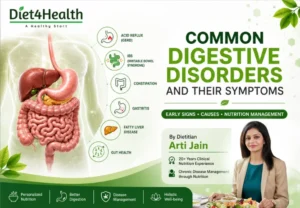


Your gut works around the clock to support your overall health—not just digestion. It plays a crucial role in nutrient absorption, immunity, energy production, hormone balance, and overall well-being. When your gut is healthy, your body functions efficiently. However, when digestion is compromised, it often sends subtle warning signs that many people ignore.
Recognizing these symptoms early can help prevent long-term digestive disorders and improve your quality of life.
1. Frequent Bloating
Occasional bloating after a heavy meal is normal, but persistent bloating may indicate poor digestion, food intolerance, gut imbalance, or slow bowel movement. If your stomach frequently feels swollen or tight, it deserves attention.
2. Constipation or Irregular Bowel Movements
Healthy digestion usually means regular bowel movements. If you’re experiencing constipation, hard stools, or going several days without passing stool, your digestive system may not be functioning optimally. Low fiber intake, dehydration, stress, and poor gut health are common causes.

3. Persistent Acidity or Heartburn
Frequent acid reflux, burning sensation in the chest, or sour burps should never be ignored. Regular heartburn may be linked to unhealthy eating habits, obesity, excessive caffeine, or gastrointestinal disorders.
4. Excessive Gas
Passing gas occasionally is natural. However, excessive gas accompanied by abdominal discomfort, foul smell, or bloating may suggest poor digestion, food intolerance, or imbalance of gut bacteria.
5. Stomach Pain After Eating
Recurring abdominal pain after meals may indicate indigestion, gastritis, food sensitivities, or digestive disorders such as Irritable Bowel Syndrome (IBS). Professional evaluation is recommended if symptoms persist.
6. Unexplained Fatigue
Many people don’t realize that poor digestion can affect energy levels. When nutrients are not absorbed efficiently, your body may lack essential vitamins and minerals, leading to constant tiredness and low productivity.
7. Sudden Food Intolerances
If foods you once enjoyed suddenly begin causing bloating, cramps, diarrhea, or discomfort, your digestive health may need assessment. Lactose intolerance, gluten sensitivity, and gut inflammation are common contributors.
8. Bad Breath Despite Good Oral Hygiene
Persistent bad breath isn’t always a dental issue. Digestive problems such as acid reflux, bacterial overgrowth, or poor gut health can contribute to chronic bad breath.
9. Unexplained Weight Changes
Unexpected weight gain or weight loss without significant lifestyle changes may indicate digestive inefficiency, nutrient malabsorption, hormonal imbalance, or underlying gastrointestinal conditions.
10. Frequent Diarrhea
Occasional diarrhea can result from infections or food poisoning, but repeated episodes may indicate digestive disorders, food intolerance, inflammatory bowel conditions, or gut microbiome imbalance.
How to Improve Your Digestive Health Naturally
Healthy digestion starts with healthy daily habits. Consider these simple lifestyle changes:
- Eat a balanced, fiber-rich diet.
- Drink adequate water throughout the day.
- Include probiotic and prebiotic foods.
- Eat slowly and chew food thoroughly.
- Avoid overeating and late-night meals.
- Exercise regularly.
- Sleep for 7–8 hours every night.
- Manage stress through yoga, meditation, or deep breathing.
- Limit processed foods, sugary drinks, and excessive alcohol.
When Should You Consult a Clinical Dietitian?
If digestive symptoms continue for more than two weeks, worsen over time, or interfere with your daily life, it’s important to seek professional guidance. A personalized nutrition plan can identify dietary triggers, improve gut health, and address the root cause rather than simply masking symptoms.
At Diet4Health, we believe that lasting digestive wellness begins with the right nutrition—not crash diets or temporary solutions. Personalized dietary guidance can significantly improve digestion, metabolism, and overall health.
Conclusion
Your digestive system constantly communicates with you through various signs and symptoms. Ignoring persistent bloating, constipation, acidity, stomach pain, or unexplained fatigue may allow minor issues to develop into more serious health concerns. Listening to your gut and making timely dietary and lifestyle changes can greatly improve your long-term health.
Good health begins with a healthy gut.