
Autoimmune conditions like psoriasis are not just skin-deep problems—they are closely linked to inflammation, gut health, and lifestyle factors. While medication plays an important role, targeted nutrition therapy can significantly support symptom management and overall well-being.
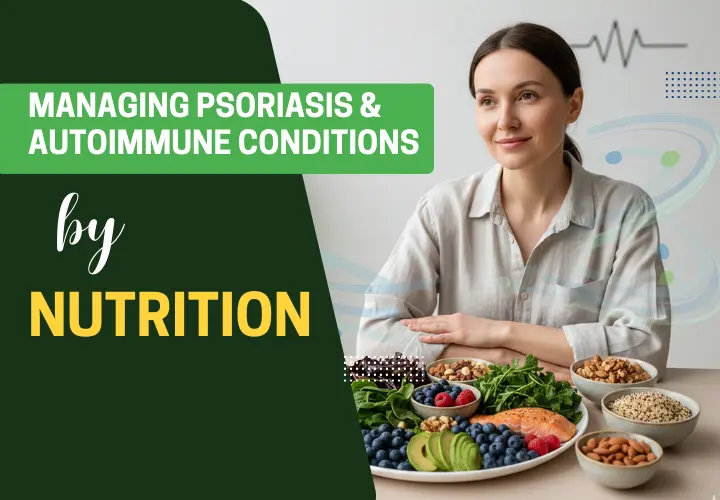
Psoriasis is driven by chronic inflammation. A diet rich in anti-inflammatory foods helps calm immune overactivity and reduce flare-ups. Foods such as colorful vegetables, seasonal fruits, nuts, seeds, whole grains, and healthy fats provide antioxidants that protect cells from inflammatory damage. Omega-3 fatty acids from sources like flaxseeds, walnuts, and fatty fish are especially beneficial in reducing skin inflammation.
Another key factor is gut health. Poor digestion and an imbalanced gut microbiome can worsen autoimmune responses. Including probiotic and prebiotic foods—like curd, fermented foods, garlic, onions, and fiber-rich vegetables—supports better immune regulation.
Equally important is identifying and avoiding trigger foods. Highly processed foods, excess sugar, refined flour, alcohol, and trans fats may aggravate inflammation and should be minimized. Each individual’s triggers are different, which is why a personalized nutrition plan is essential.
At Diet4Health, Dietitian Arti Jain focuses on customized clinical nutrition plans that address the root cause of autoimmune conditions rather than just symptoms. With the right balance of nutrients, lifestyle guidance, and consistent follow-ups, many clients experience improved skin health, better energy levels, and reduced flare frequency.
Managing psoriasis naturally is possible when nutrition becomes part of your healing journey. A well-planned diet doesn’t replace treatment—but it can powerfully support long-term control and quality of life.